And so does the new incoming Military Chief of SA.

Back to Contents Page
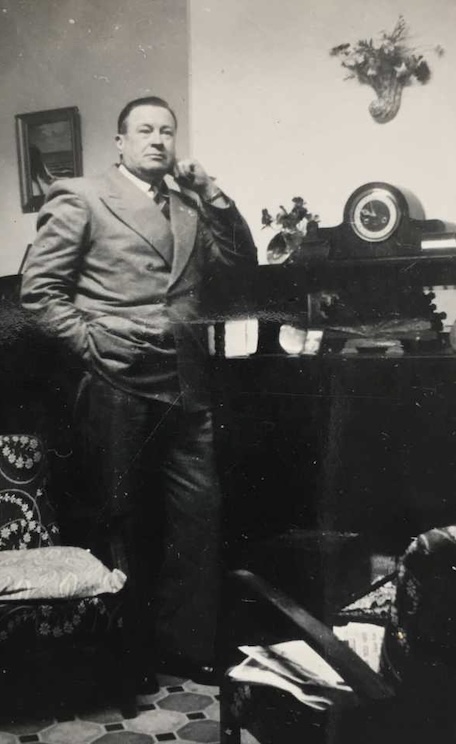
Meet Major Theodore Michael Keane!


Above is Theodore Michael Keane from Hurtle Vale in South Australia (and many other places).
Theodore Michael Keane had a couple of nick names during his life. While at school he was called Able, as in Cain and Abel. This came about because of the Irish pronunciation of Keane sounding like Cain.
The name he was known by everywhere (even in the army) was “Son”, for reasons that are unknown.
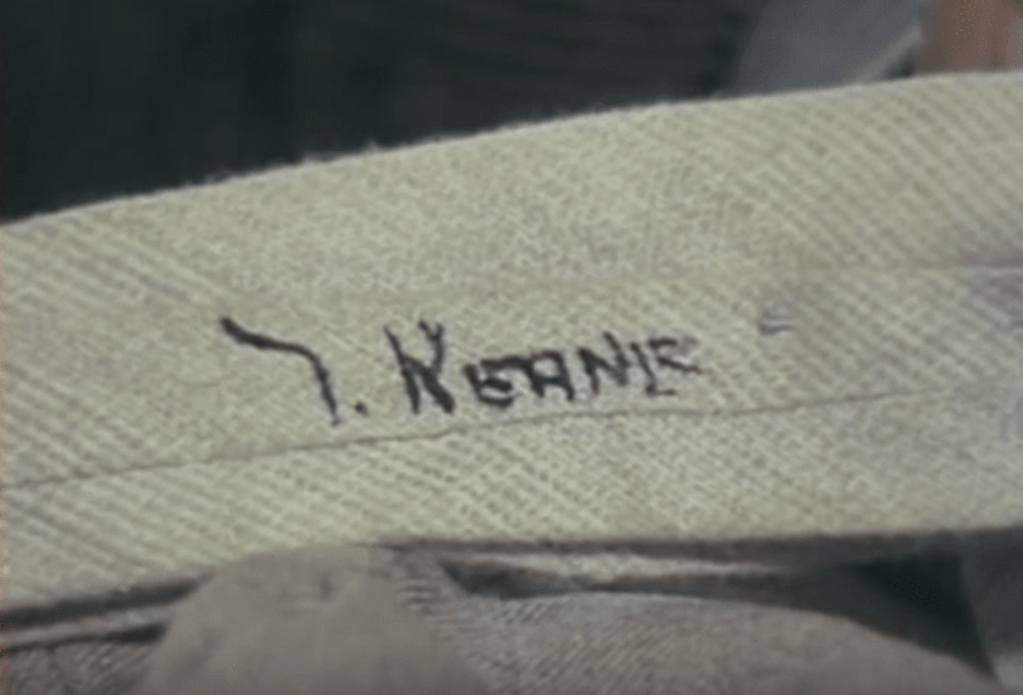
He was also known as “T D” in some communities. His family’s surname was spelled Keane, Kean, Kain, Kane or Cain, depending on what you read or which generation you were referring to. This was likely indicated by one or more of the Keane name variations on the “suitcase” clothing.
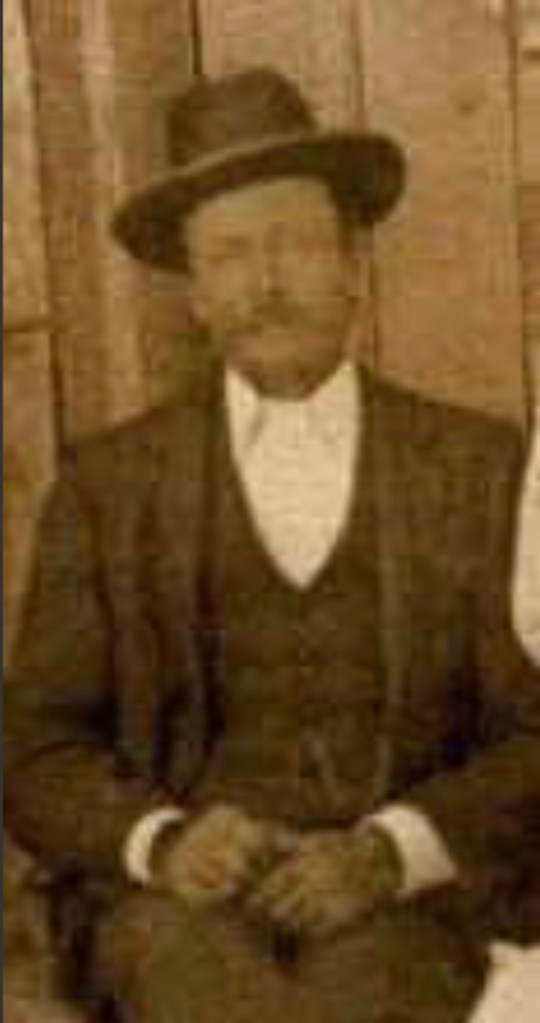
Michael Kain (Keane – father of “Son” Keane)
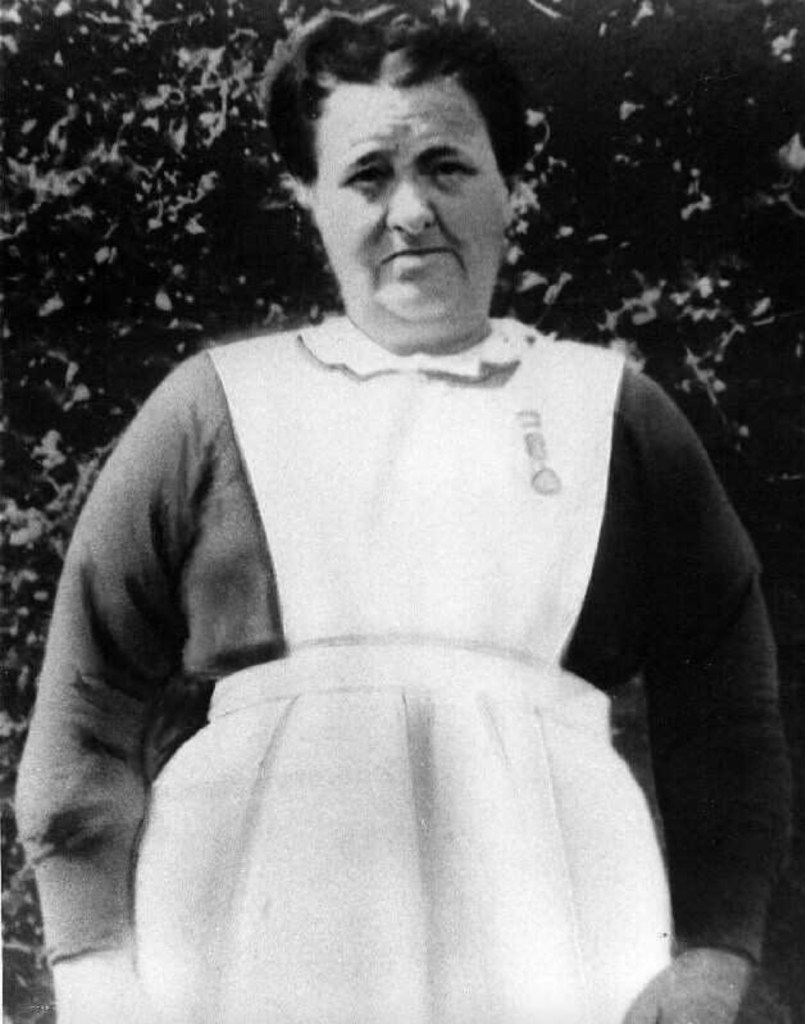
Johanne Pauline Braune/Braun (Brown – mother of “Son” Keane)
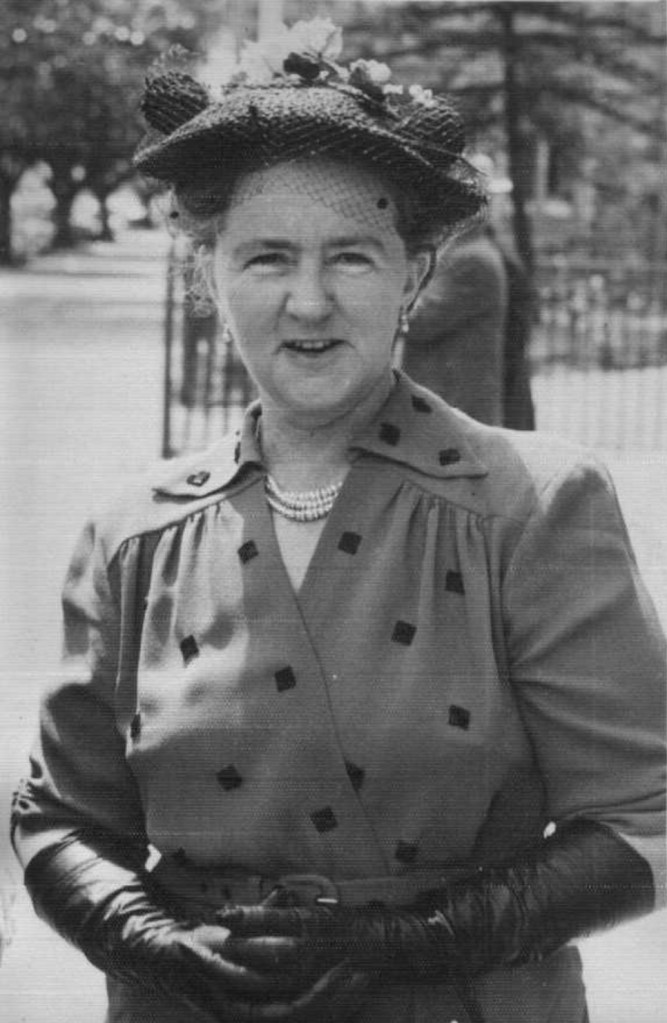
Lily Ada Mason (Wife of “Son” Keane)
“Son” Keane (as he was most commonly known) served and lived at Mt Barker, Glenelg and Brighton (SA), Townsville, Wynnum, Charters Towers, Brisbane and Toowoomba (Qld), and Geelong (Vic), but at the time of the Somerton Man activities, was an Instructor at the Keswick Barracks in Adelaide. The subject course at the time was Gas Handling and Gas Exposure, a subject of which Sydney-sider, Major William Jestyn Moulds, was very familiar.

“Son” was the relieving Australian Army Corps Chief of Instructors during the 40’s.
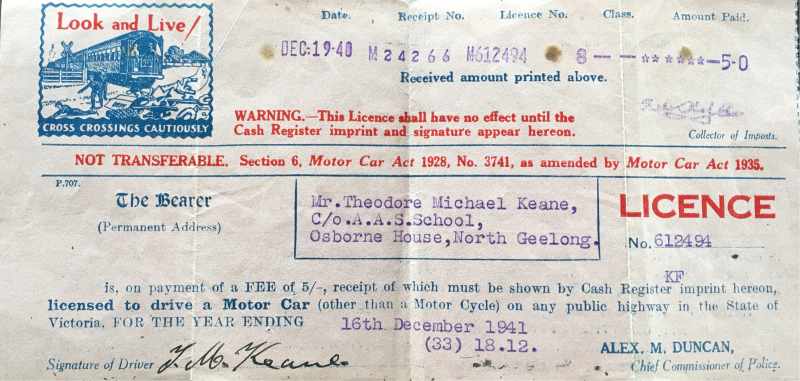
As can be seen by his driving license, he was instructing at Osborne House in Geelong (Vic) earlier.
Intermingled with his training activities, he was Commandant of a Detention Camp in the Old Gladstone Gaol and similarly at other places. These camps held German, Italian and other nationalities from non-aligned countries during the Second World War. They could only be classed as low security as most inmates understood the politics of their position and offered minimal resistance.


Keane was based at Keswick Barracks in November 1948.
“Son” Keane wrote and spoke fluent Russian from a young age.
Сын Кин писал и говорил по-русски с юного возраста.
Now meet Brigadier Ronald Nicholas Lamond Hopkins CBE
Wednesday the 1st of January 1949 was first day reporting for duty of Brigadier Ronald Nicholas Lamond Hopkins CBE.
Brigadier Hopkins had been appointed as Commandant/Commanding Officer of the 4th Military District (SA), and it was announced publicly on the 20th of November 1948.
20th of November 1948 was the first day of the South Australian Air Show boasting a large and mixed contingent of military planes and personnel as well as private contributions such as the Avro range of aircraft sponsored by their dealership, Motors Limited owned by the Birks Family. It was also the day Reginald Bickford passed away.
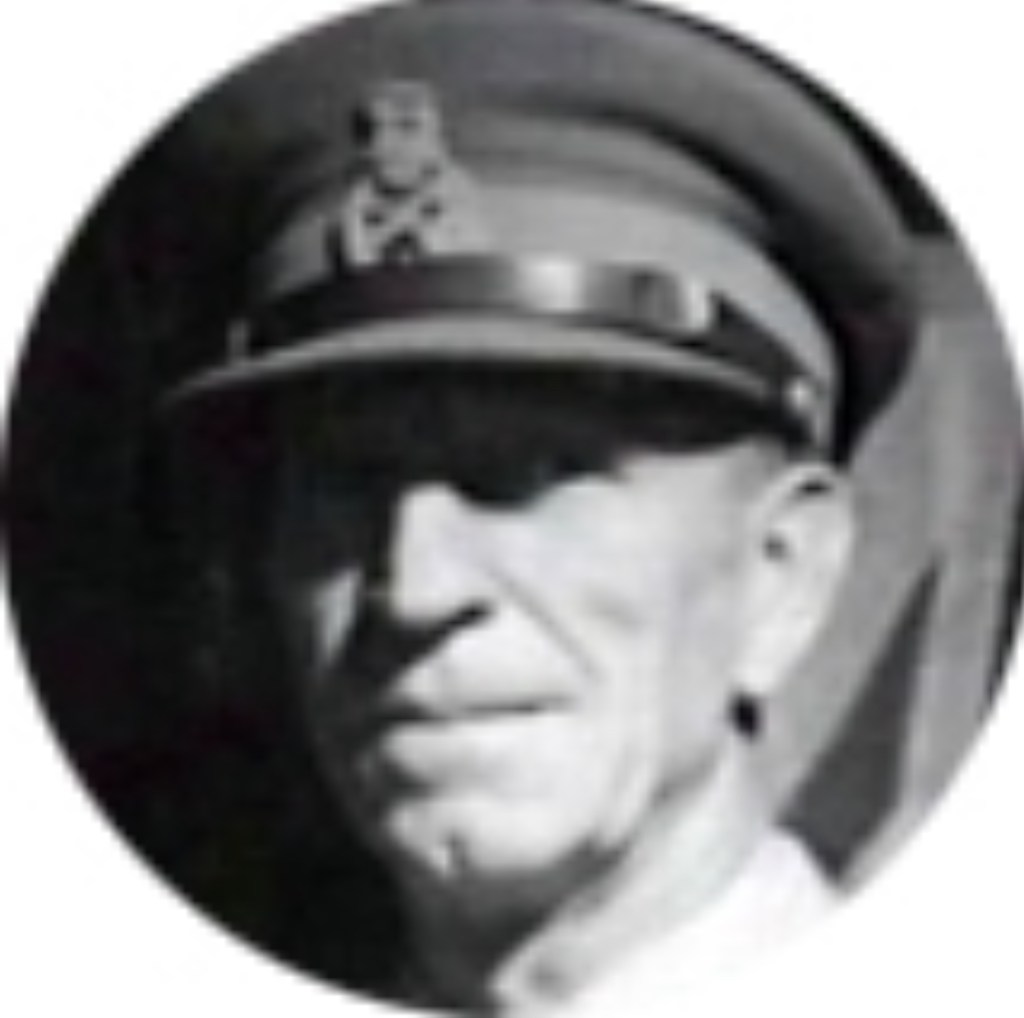
Brigadier Ronald Nicholas
Lamond Hopkins CBE
Brigadier Hopkins was formerly Lighthorse and more recently Armoured Artillery and Machinery. He had also spent considerable time with the US Forces in the Pacific on Landing Craft (LCT) deployment strategies.
Brigadier Hopkins was related by marriage to the Birks Family of Adelaide, best known for their pharmaceuticals, car, plane, yacht and drapery businesses.
The Army tie (below) was smuggled out of the laundry at Wacol Army Depot near Brisbane. It belonged to Thomas Lawrence Keane and was “borrowed” at a time when several thefts occurred including the watch of US Staff Sergeant (Tech4) Elmer Klien. In reporting the theft, Elmer was able to quote the 13 year old watch’s 8 digit serial number to Police.
And then there’s Captain Harold Leonard James Berry.

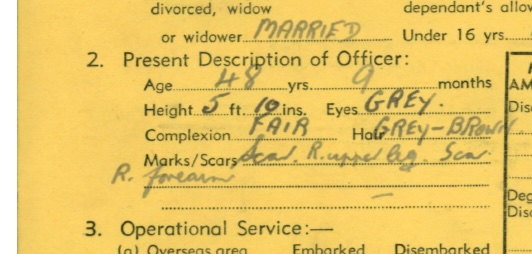
5″ 10″ tall, grey eyes, fair complexion and grey-brown hair! A twin for “Charlie” Webb?
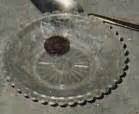
Prior to volunteering for duty in World War 1, Harold Leonard James Berry was indentured to Thompson and Harvey, a lead-light window manufacturer in Adelaide. If you were asked to simulate a lead-light tradesman with an object to place in a suitcase, could you use a dish similar to the “glass dish” found in the remnants from the Railway Station Cloak Room? Would it show a glass worker? Is the button shown in the dish placed adjacent to a berry?

Then onward to France.
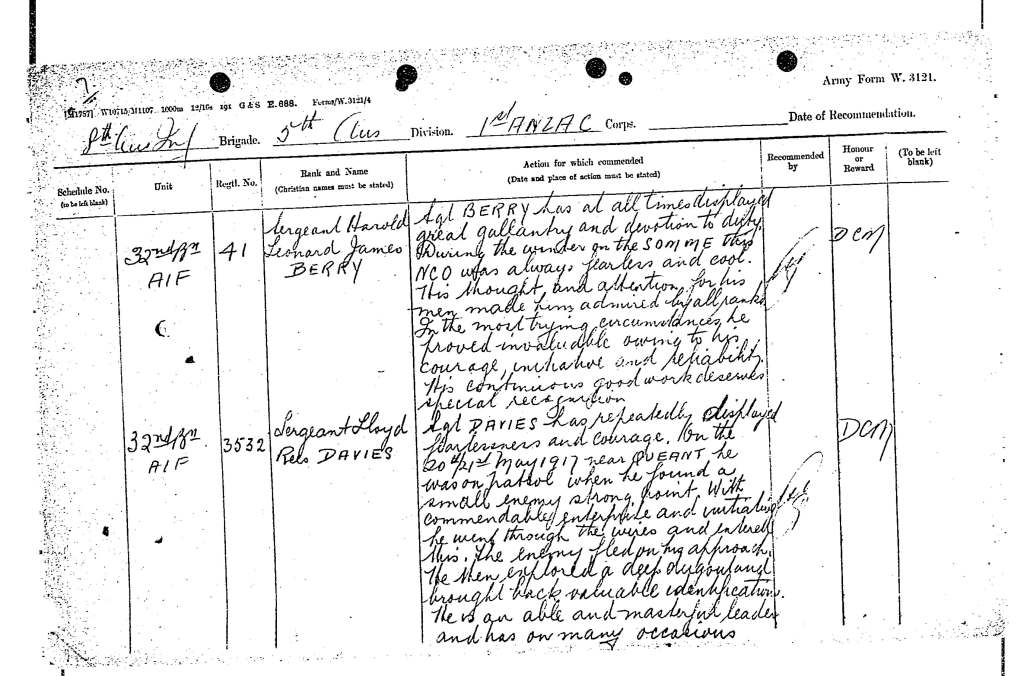

Harold was awarded the Croix de Guerre by the President and People of France for his efforts on the French Mainland.
Not long after returning to Adelaide from overseas after WWI, Harold headed back to the UK (November 1919) and to Scotland where he worked and attained accreditation as an ELECTRICAL ENGINEER.
His title became Commercial Sales Engineer (Electrical).
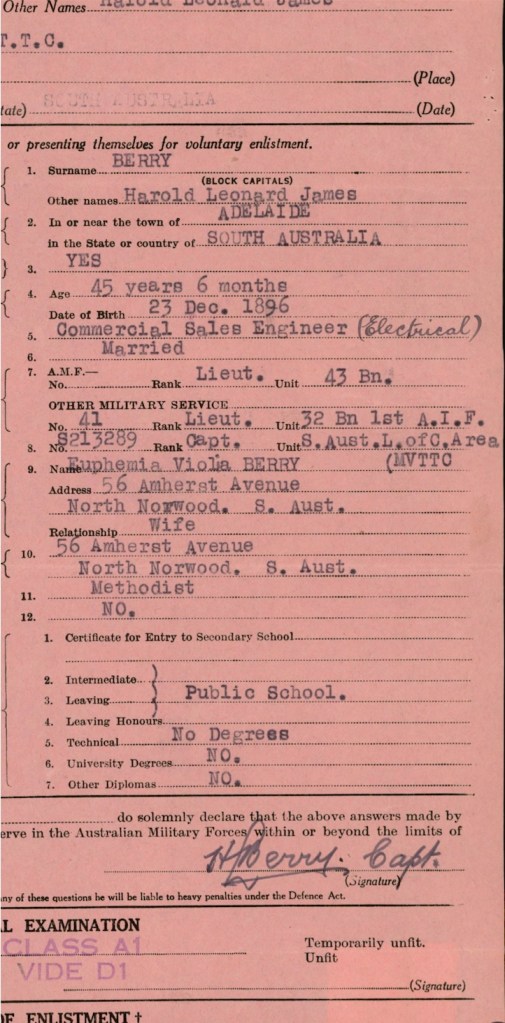
He returned to Adelaide from Edinburgh in December 1936 a fully accredited Electrical Engineer.

Looking at the WW2 picture of Harold (above) you certainly can understand why his other pictures don’t show him smiling, but an actual dental chart doesn’t seem to exist. Was the dental chart created to represent the still living Berry?

Harold Leonard James Berry was the brother and son to members of BERRY FUNERALS of Adelaide family, who were the “opposition” to Elliott Undertakers.
Harold was based at the Keswick Barracks in November 1948.
Undertaker Laurie Elliott walked beside Det Sgt Scan Sutherland when placing the unknown man in the ground at West Terrace Cemetery.

Ina Harvey (allegedly the clerk at Strathmore Hotel, or maybe it was the Strathmore Grand Hotel) was originally Ina Elliott, daughter and sister to the Elliott Undertakers group. When she told the Police of a man fitting the Somerton Man description and advising of a black Doctor’s Bag left at her hotel, her information was quickly dismissed due to them deciding Ina was stressed, troubled and unreliable. Was it a Doctor’s Bag or a suitcase?

Ina later reported in interviews that she had little to no recall of the information she gave about the man from room 21 or 23. Apart from the age missing by a few years, the other information isn’t too bad.

And what was this report (above) about?
So,
Possibly under management of an overseas agency, the new incoming Commandant of District 4 of the Australian Army Corps (SA) Brigadier Ronald Nicholas Lamond Hopkins was to send a message (nominating by association of items) to clean up everything happening in South Australia. Those in the arrangement recognised the symbolism of the items carried by SM and those in the suitcase.
Or was the overseas agency introduced after Brigadier Ronald Nicholas Lamond Hopkins was appointed and announced on November 20th 1948, knowing Hopkin’s connections?
Hopkins was based at the Keswick Barracks in November 1948.
When Alexander Arthur Dowling was found on the beach at Somerton on the morning of Wednesday December 1st, 1948, did it send shudders through the living (and almost identical) existence of Harold Berry, and the many others that this message was produced for? Did he know that he would be sent such a graphic warning in the form of an effigy of himself? Did he think he was looking in a mirror?
To return to previous posts on website click HERE.
To go to On Somerton Beach – contents page click HERE
Keswick Barracks/Keswick Military Hospital coming soon!

 On Somerton Beach
Leave a comment